Clinton Addresses Old Epstein Photos as DOJ Files Emerge: A Deeper Look into the Maxwell-Epstein Connection
The specter of Jeffrey Epstein continues to cast a long shadow over prominent figures, and former President Bill Clinton is once again at the heart of renewed scrutiny. As the Department of Justice releases new documents and images, Clinton has publicly addressed his past association with the late financier and his convicted accomplice, Ghislaine Maxwell. These revelations revive questions about the extent of the relationship and the intricate network that Ghislaine Maxwell helped construct, bringing Ghislaine Maxwell's Role in Connecting Clinton to Epstein firmly back into the spotlight.
Clinton's recent testimony before a Republican-led congressional committee has brought his long-acknowledged links to Epstein back to the forefront of public discussion. Despite his consistent denials of any knowledge regarding Epstein's heinous crimes, the new material provides a clearer picture of how extensively Maxwell worked to facilitate and maintain the connection between the former president and the disgraced sex offender.
The Resurfacing Images and Clinton's Unwavering Stance
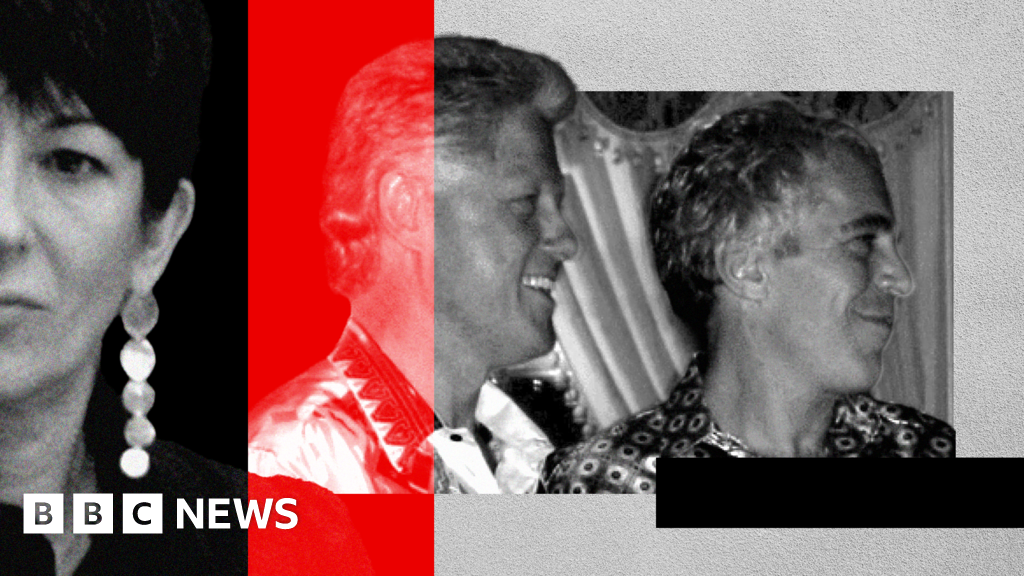
For years, specific photographs have circulated, offering glimpses into Bill Clinton's proximity to Jeffrey Epstein and Ghislaine Maxwell. One shows Clinton taking a night-time swim with Maxwell, the British socialite now convicted of sex trafficking. Another captures him smiling backstage at a Rolling Stones concert in Hong Kong alongside Epstein. A third, undated image, depicts the former US president relaxing in a hot tub with an individual whose face is intentionally obscured.
In his recent deposition, Bill Clinton directly addressed these potent visual artifacts. He stated unequivocally that he "had no idea of the crimes Epstein was committing," despite any "interpretation of those 20-year-old photos." Clinton emphasized that his association with Epstein, which he claims ceased before the financier's crimes came to light, was solely driven by his post-presidency philanthropic work. His spokesperson has consistently maintained that the photos are decades old and do not reflect any awareness of Epstein's criminal activities. This steadfast denial aims to separate Clinton's image from the grave allegations surrounding Epstein, highlighting the challenge for public figures when past associations resurface with new, damning contexts.
Ghislaine Maxwell's Strategic Role: Weaving the Connection
The newly released DOJ files offer more than just photographs; they include emails and other documents that begin to paint a detailed picture of the extensive efforts undertaken by Ghislaine Maxwell to cultivate and maintain the relationship between Bill Clinton and Jeffrey Epstein. Far from a peripheral figure, Maxwell appears to have been central to integrating Clinton into Epstein's orbit.
Key to this understanding are the communications between Maxwell and Doug Band, a top aide to Clinton, dating primarily from 2002 to 2004. Their correspondence reveals a surprisingly "cosy relationship," characterized by effusive flattery and, notably, sexual innuendo. Band, referring to Maxwell as his "social matchmaker" and even "lover," and Maxwell complimenting his social and physical prowess, underscore a dynamic that went beyond mere professional liaison. While no direct messages between Clinton and Epstein have been found in the reviewed emails, the sheer volume and nature of Maxwell's and Band's communications underscore their shared commitment to fostering the connection between the two powerful men.
These documents indicate that Maxwell and Band were instrumental in arranging meetings for the Clinton Global Initiative, a cornerstone of Clinton's post-presidency philanthropic efforts. Furthermore, they were involved in coordinating Clinton's flights on Epstein's private jet. Flight logs confirm that Clinton utilized Epstein's plane for at least 24 trips, demonstrating a substantial logistical reliance that goes beyond casual acquaintance. This intricate web of communication and coordination reveals Maxwell not just as a socialite, but as a strategic facilitator, meticulously linking Clinton to Epstein's world and resources.
Philanthropy, Power, and Proximity: The Early 2000s Collision
To fully grasp how the paths of Bill Clinton, Jeffrey Epstein, and Ghislaine Maxwell converged, it's crucial to understand the context of the early 2000s. After leaving the White House, Clinton embarked on a mission to redefine his legacy through global philanthropy. He actively sought wealthy donors to support the Clinton Foundation and, subsequently, the Clinton Global Initiative – platforms designed to bring together world leaders to tackle pressing global challenges. This era saw Clinton operating in a landscape where access to influential, high-net-worth individuals was paramount for funding his ambitious humanitarian goals.
At the same time, Jeffrey Epstein was carving out a reputation as a savvy money manager and a jet-setting financier with an immense network. Alongside Maxwell, he hobnobbed with the world's elite, from European royalty to American industrialists, cultivating powerful friendships and expanding his influence. Epstein presented himself as a valuable conduit to wealth and connections, precisely what Clinton's burgeoning philanthropic endeavors required.
This confluence of interests created the environment for their association. Clinton was in the market for significant financial backing and global reach for his charitable ventures, while Epstein offered access to the very circles Clinton needed to penetrate. The documents suggest a collision of worlds where legitimate philanthropic aspirations intersected with Epstein's carefully constructed image of wealth and influence. For public figures, the challenge of vetting potential donors and associates can be immense, especially when operating on a global scale where reputations might be managed differently. This situation highlights the inherent risks of extensive networking, where the genuine intentions of some can be exploited by others with far darker agendas.
Navigating Ongoing Scrutiny and Future Implications
The emergence of these new details and Bill Clinton's recent deposition underscore the persistent and uncomfortable scrutiny faced by anyone connected to Jeffrey Epstein. While the newly released files do not implicate Clinton in any wrongdoing, and he has not been accused of misconduct by Epstein's victims, the public perception remains complex. Clinton's consistent defense, stating he had no knowledge of Epstein's crimes, clashes with the undeniable visual and documentary evidence of their repeated interactions and the extensive logistical support facilitated by Ghislaine Maxwell.
The ongoing investigation by a Republican-led congressional committee suggests that the political implications of these associations will continue to be explored. For figures like Bill Clinton, the challenge lies in balancing the need for transparency with protecting one's reputation from guilt by association. While legal culpability requires direct evidence of involvement in crimes, the court of public opinion often operates on different criteria, heavily influenced by optics and proximity. This situation serves as a powerful reminder for all public figures about the critical importance of rigorous due diligence when establishing relationships, especially with individuals operating in opaque financial or social circles. It demonstrates how even decades-old connections can resurface with significant impact when new information comes to light, reminding us that Bill Clinton Faces Scrutiny Over New Epstein-Maxwell Files that are unlikely to fade quickly.
Conclusion
The renewed focus on Bill Clinton's past associations with Jeffrey Epstein and Ghislaine Maxwell, fueled by newly released DOJ documents, continues to unravel a complex narrative of power, philanthropy, and hidden agendas. Despite Clinton's unequivocal denial of any knowledge of Epstein's heinous crimes, the detailed correspondence between Maxwell and Clinton's aide, Doug Band, paints a clear picture of Maxwell's strategic efforts to foster and maintain the connection. While no direct evidence has emerged to implicate Clinton in Epstein's criminal activities, the sheer volume of interaction and the circumstances surrounding it underscore the enduring questions about the vigilance required of public figures. The Epstein scandal continues to demand accountability and casts a long, investigative shadow, reminding us that even the most powerful individuals are not immune from the consequences of their associations, however distant or well-intentioned they may claim them to be.